☀
Use more of your solar
Capture surplus daytime generation and make it available later, helping increase self-consumption and reduce unnecessary grid purchases.
ITS designs residential and commercial hybrid solar systems that combine rooftop PV, intelligent hybrid inverters and battery storage. The goal is simple: use more of your own solar energy, reduce grid dependence and keep selected essential loads running when the grid fails.
Plan Your Solar System →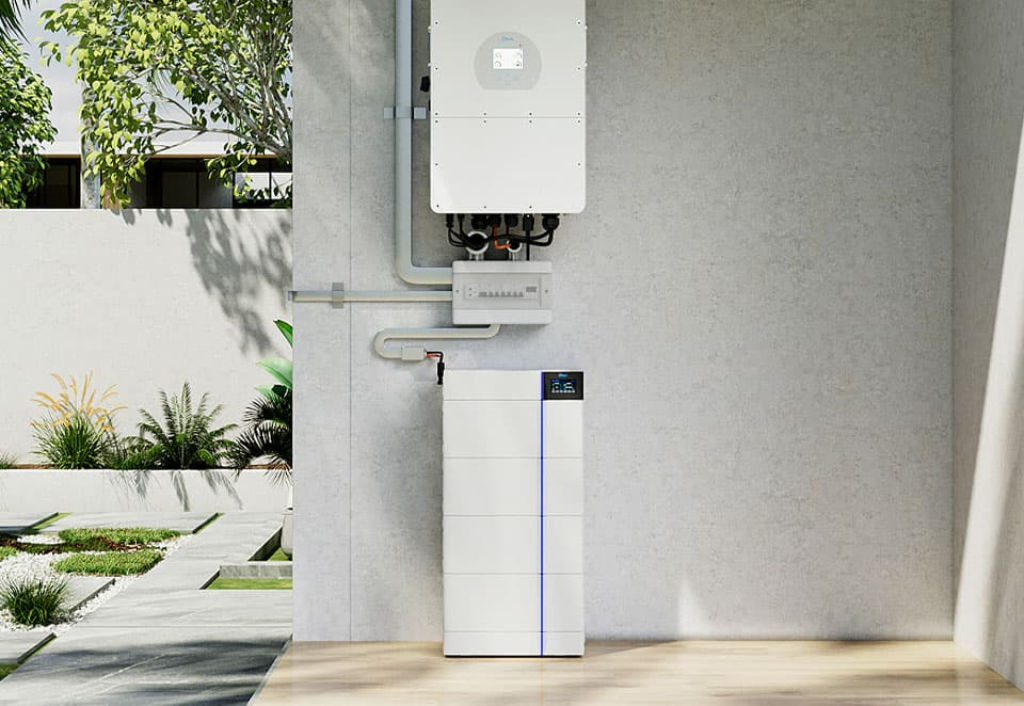
For selected hybrid solar projects, ITS works with The Solar Guy as a solar installation partner and project subcontractor, bringing practical solar installation experience together with ITS system design, IT infrastructure and backup-power expertise.
Tap the logo to visit The Solar Guy website and learn more about its solar services.
A battery changes what your solar system can do. Instead of sending excess daytime generation away or relying entirely on the grid after sunset, energy can be stored and managed for later use. With a properly designed backup circuit, the same stored energy can support essential household loads during an outage.
Capture surplus daytime generation and make it available later, helping increase self-consumption and reduce unnecessary grid purchases.
Battery storage can shift solar energy from the daytime into evening and overnight periods when the roof is no longer generating.
With a correctly configured backup output, selected circuits can continue operating when utility power is unavailable.
Storms can bring outages without warning. A battery gives the system stored energy to draw on while the grid is down.
Modern hybrid inverters can monitor production, battery state and household demand so the system can automatically manage energy flows.
Where equipment compatibility allows, solar generation, inverter capacity and battery storage can be planned with future expansion in mind.
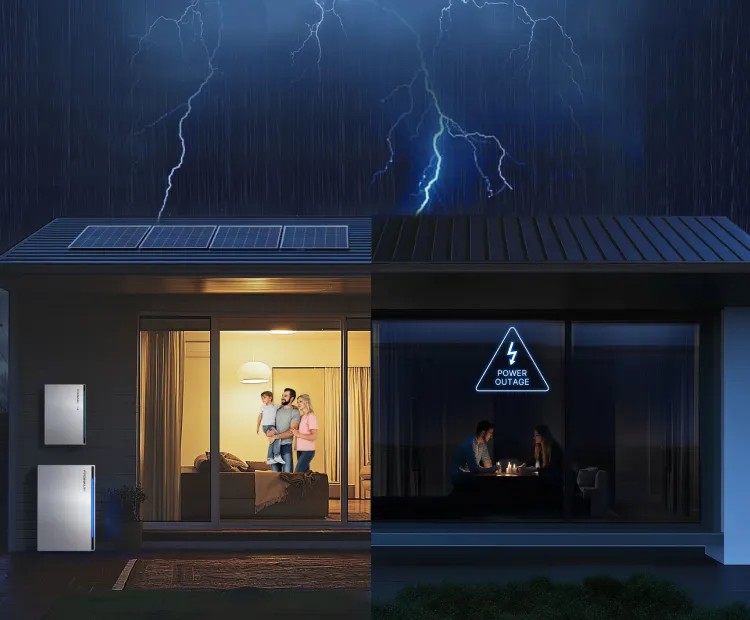
Typhoons, thunderstorms, heavy rain and grid faults can interrupt utility power. A hybrid system with batteries can be configured to reserve energy for essential loads such as refrigeration, lighting, internet equipment, CCTV, selected outlets, pumps or other agreed circuits.
The exact runtime depends on battery capacity, inverter output, the loads connected to the backup circuit and how much solar energy is available during the outage. ITS designs the system around those real requirements rather than promising one-size-fits-all runtime.
Each installation is sized around roof area, load profile, electrical configuration, desired backup coverage and available equipment.
Solar generation, battery storage and intelligent power management for day-to-night energy use.
Explore system design →Store solar energy for later use and build a reserve for outages and critical loads.
Explore battery storage →Protect selected essential circuits with properly sized inverter and battery capacity.
Explore backup power →Scale the same energy principles from homes to larger business applications.
Explore applications →We can design around suitable products from established manufacturers, subject to availability, technical compatibility and the final electrical design.
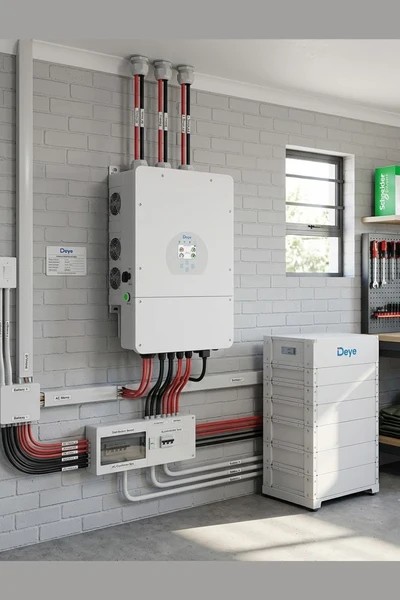
Hybrid inverter and residential energy-storage options for solar, battery and backup-load applications.
HYBRID INVERTERS + ESS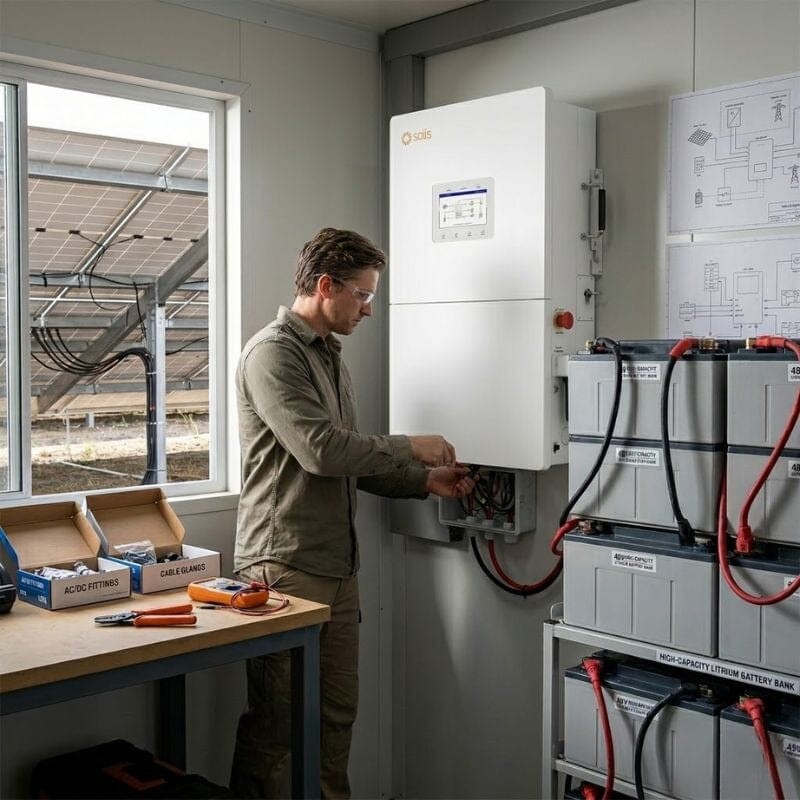
Residential and commercial energy-storage inverter options with backup and scalable system architectures.
ENERGY STORAGE INVERTERS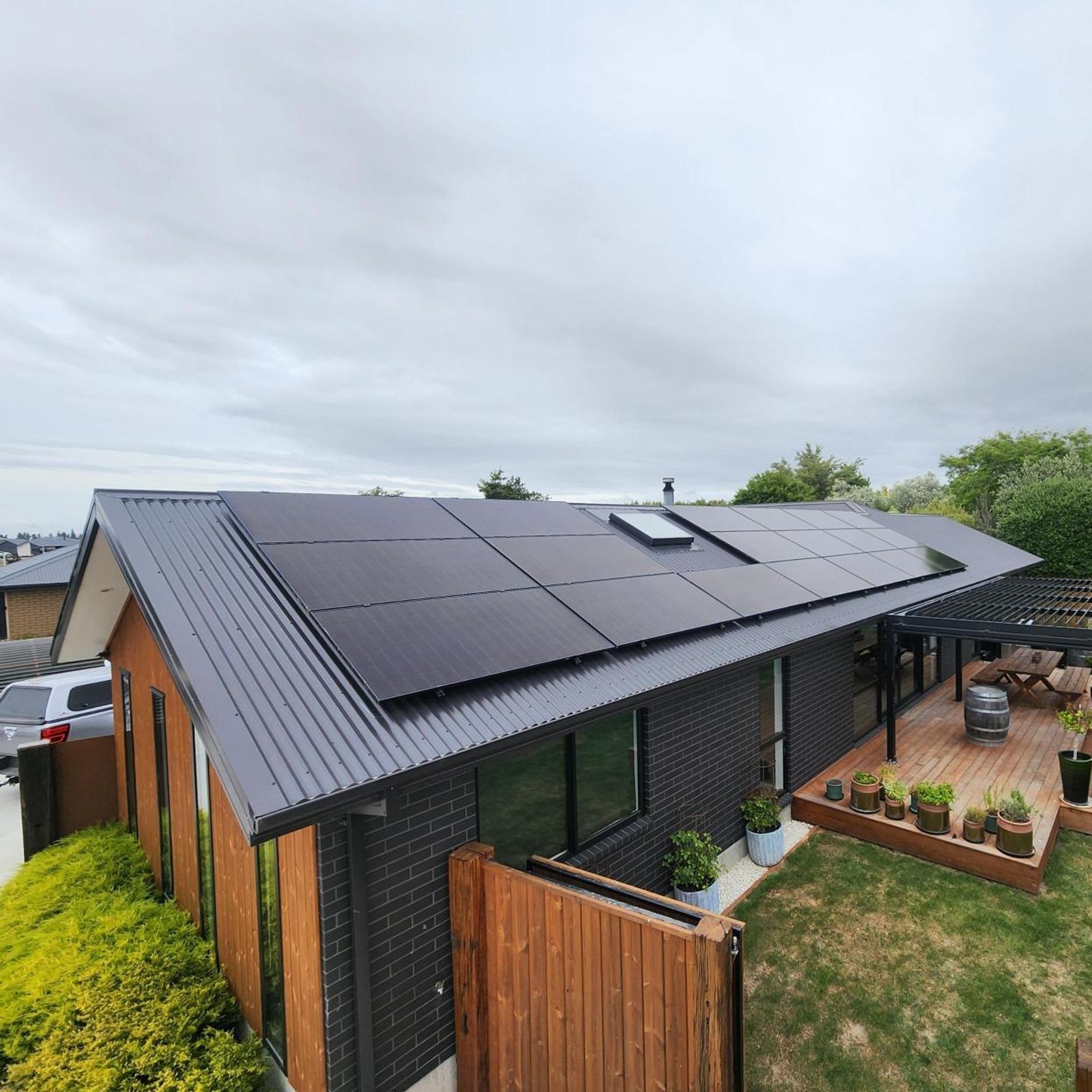
High-efficiency rooftop PV modules including the Vertex S+ residential portfolio.
ROOFTOP PV MODULES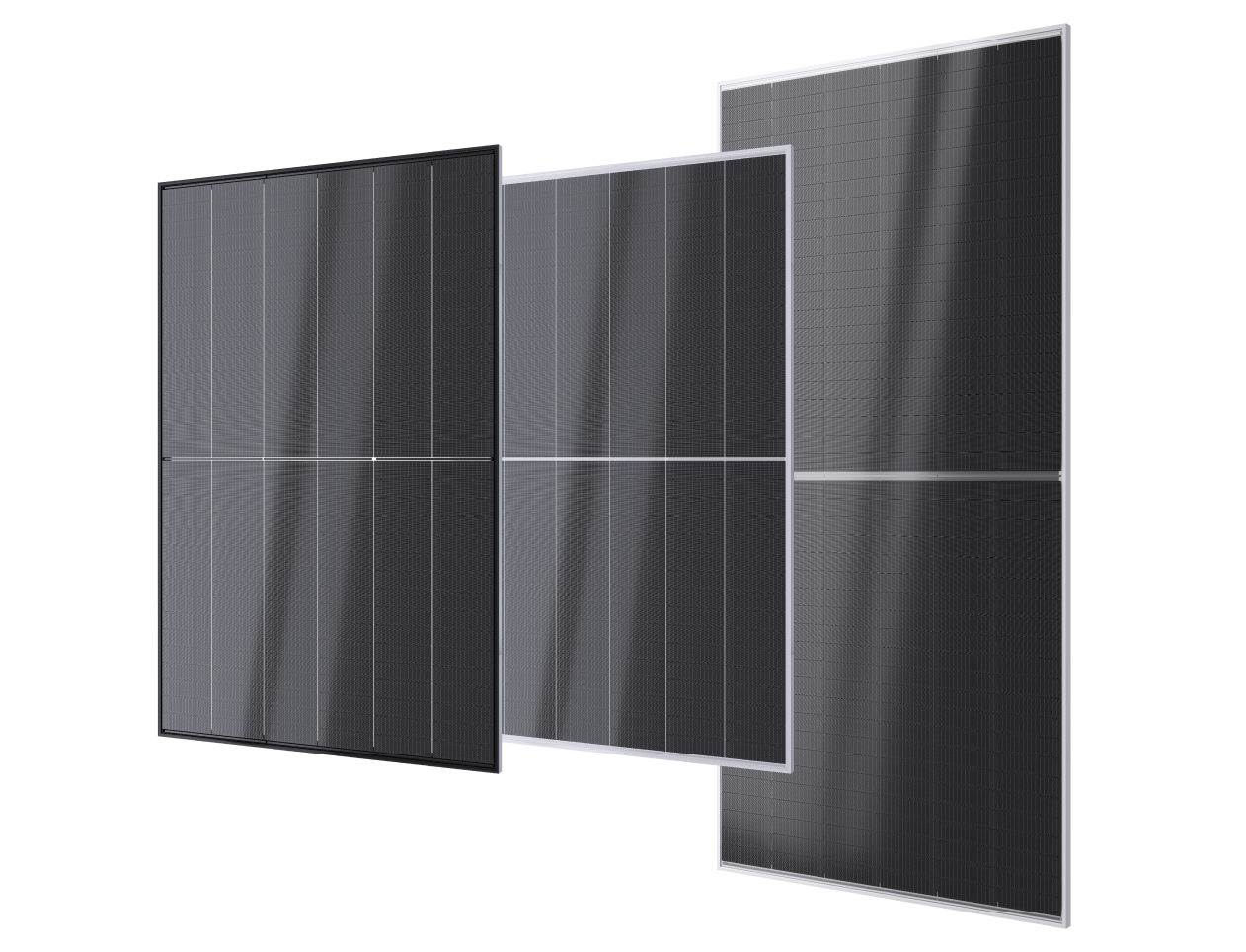
Tiger Neo N-type TOPCon modules for high-efficiency residential and commercial PV designs.
TIGER NEO PV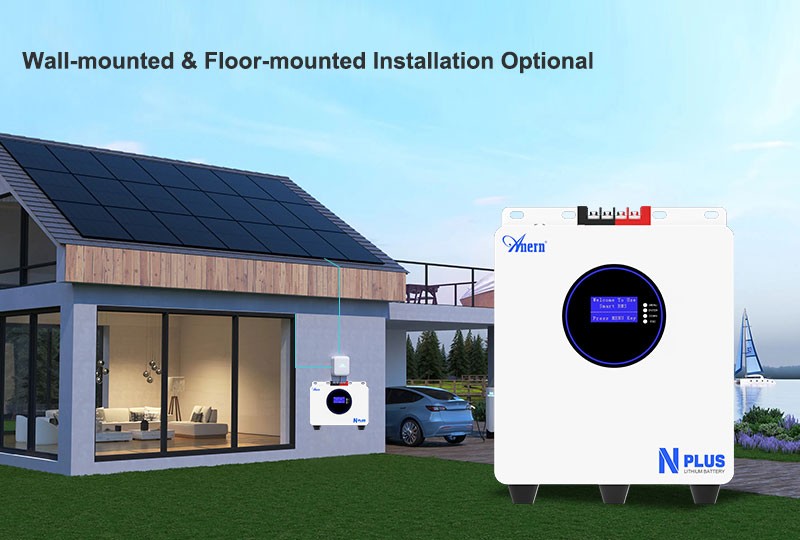
Hybrid inverters and LiFePO₄ battery options for residential backup and scalable solar storage.
INVERTERS + LITHIUM STORAGEProduct imagery is used as a real-world visual reference for the ITS draft. Final equipment selection, model availability and electrical compatibility are confirmed during system design.
Review roof space, electrical service, usage patterns, existing solar and the circuits that matter most during an outage.
Develop a practical PV, inverter and battery architecture around actual loads and desired backup coverage.
Install equipment, protection, wiring, isolation and backup-load distribution according to the approved design.
Commission the system, confirm operating modes and explain monitoring and everyday battery use.
A standard grid-tied solar system may shut down when the utility grid fails. Actual outage operation requires compatible hybrid/backup equipment, battery storage and a properly configured backup circuit. ITS will identify which loads should be backed up and size the system accordingly.
Tell ITS your typical loads, roof situation and what you want to keep running during an outage.